
Parks and Recreation Solutions
We work with parks and recreation departments to create community destinations. Local, public parks are essential to increasing physical activity and offering spaces social gatherings between people of all ages and abilities. We believe in the power of parks!
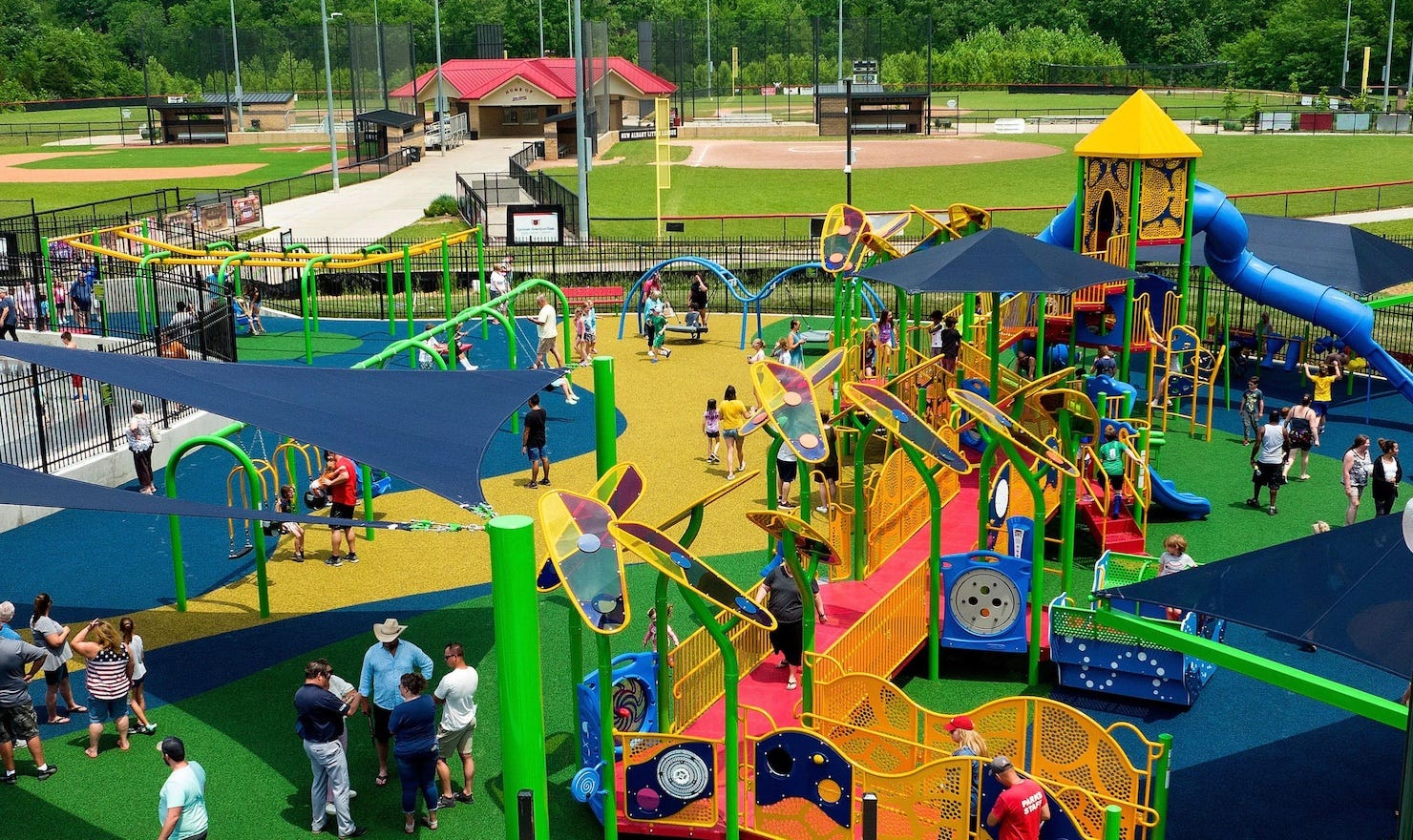
Playground and Outdoor Fitness Equipment for a Brilliant Tomorrow
More than 80% of adults and children in the United States visit a park each year- that's why we’re dedicated to providing a wide range of playground and outdoor fitness products for people of all ages and abilities.



Park and Recreation Resources
1
National Demonstration Sites
Through our parent company, PlayCore, GameTime recognizes communities who utilize their parks to demonstrate leadership in the areas of inclusive play, nature play, playful pathways, adult fitness, and youth fitness
2

Community Training and Outreach
GameTime offers professional development seminars, online webinars, and community training sessions on dozens of topics through our parent company, PlayCore. Parks and Recreation professionals who attend these sessions are awarded CEU credits.
3
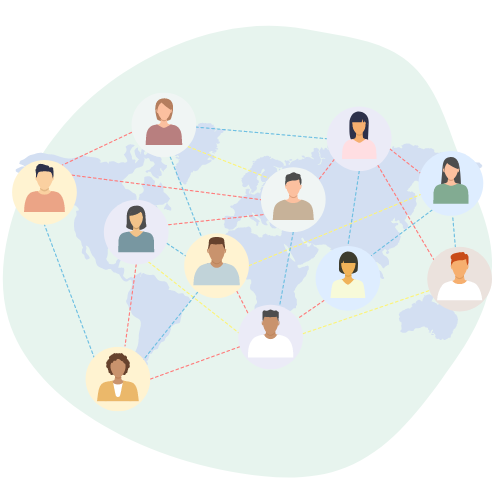
Global Network of Professionals
GameTime's network of sales professionals and certified installers live, work, and play in your neighborhood. No matter where you live, GameTime promises a representative that can be on-site alongside you.
Community Champions for Inclusive Play
Explore the Fun!
Featured Preconfigured Designs
We've done all the work for you- simply pick your favorite play system and we'll take it from there!
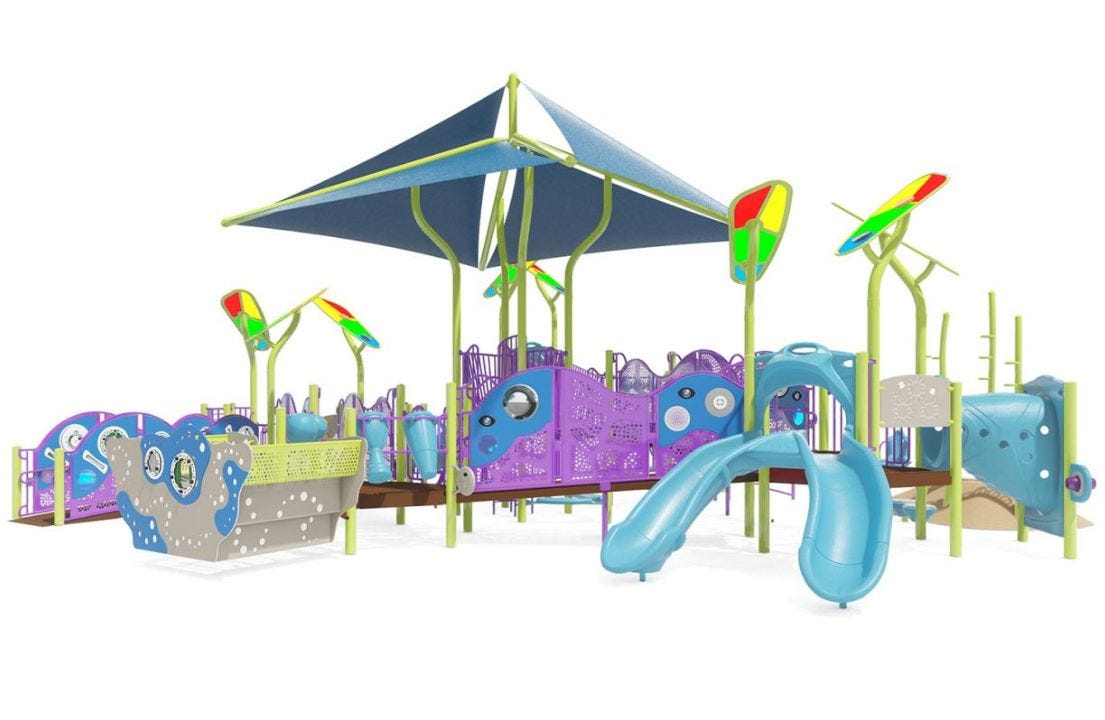
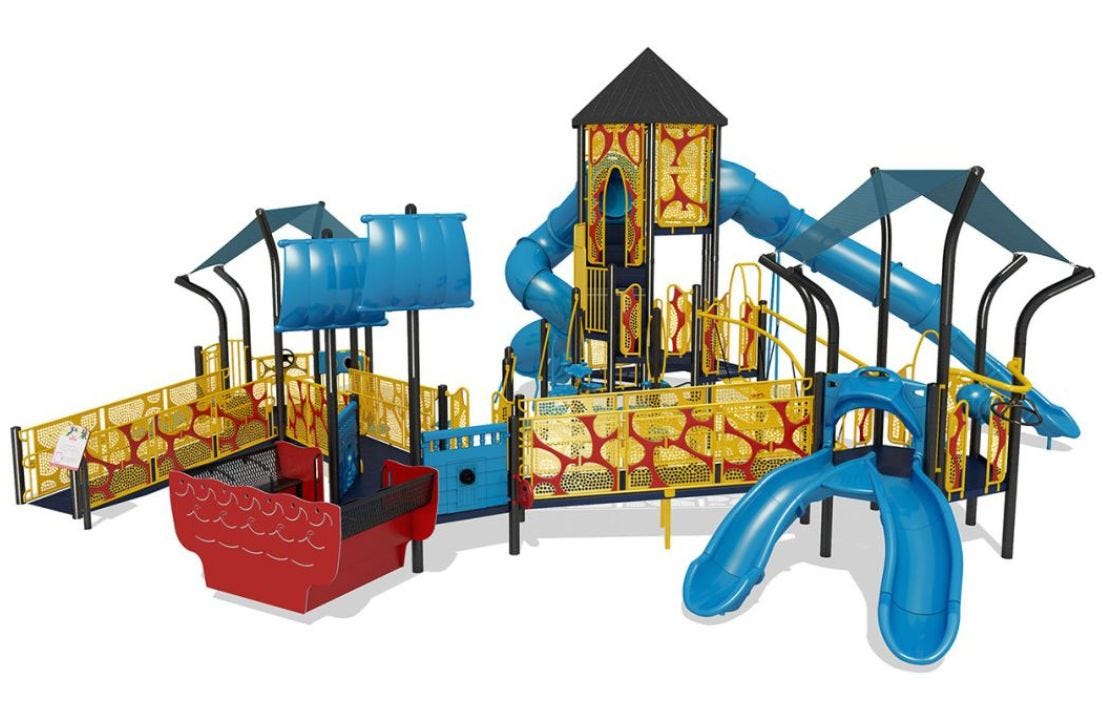


Featured Play Systems
-
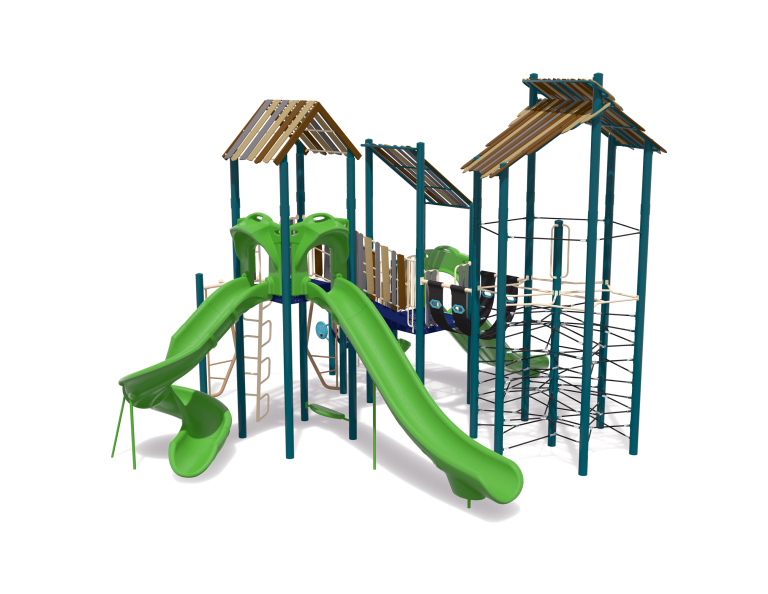 ModelPS25027Age5 to 12 YearsZone40'-4" x 38'-5" (12.29m x 11.71m)Fall Height8' (2.44 m)Number of Children70 to 75
 -
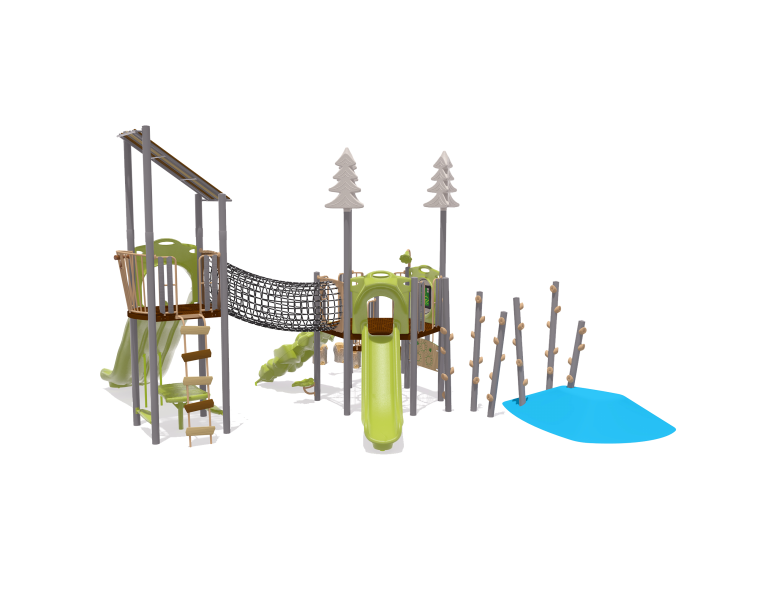 ModelPS25028Age5 to 12 YearsZone48'-9" x 37'-2" (14.86m x 11.33m)Fall Height8' (2.44 m)Number of Children90 to 95
 -
 ModelPS21004Age5 to 12 YearsZone44'-2" x 56'-3" (13.46m x 17.14m)Fall Height8' (2.44 m)Number of Children110 to 115
 -
 ModelPS22026Age5 to 12 YearsZone43'-0" x 51'-0" (13.11m x 15.54m)Fall Height8' (2.44 m)Number of Children65
 -
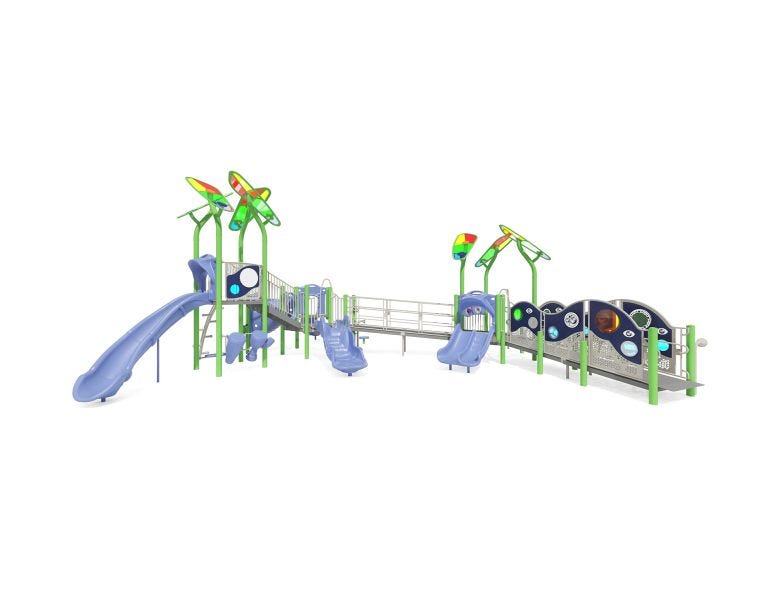 ModelPS17025Age5 to 12 YearsZone50'-10" x 53'-1" (15.49m x 16.18m)Fall Height7' (2.13 m)Number of Children75


Expression Swing Universal
Create multigenerational play opportunities for adults and children of all abilities with an adaptive swing seat combined with our adult swing seat. The patented design provides the same face-to-face, eye-to-eye design that promotes attunement while at play.
Selected Galleries



Case Study
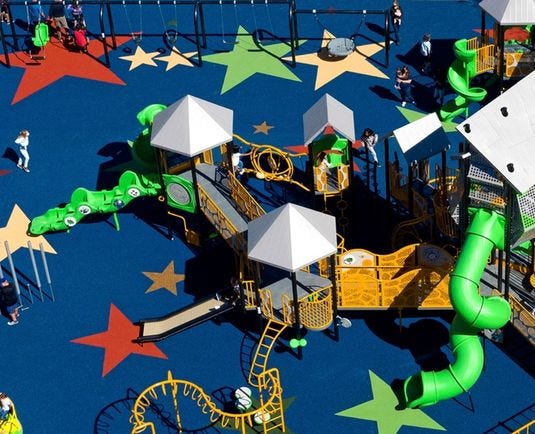
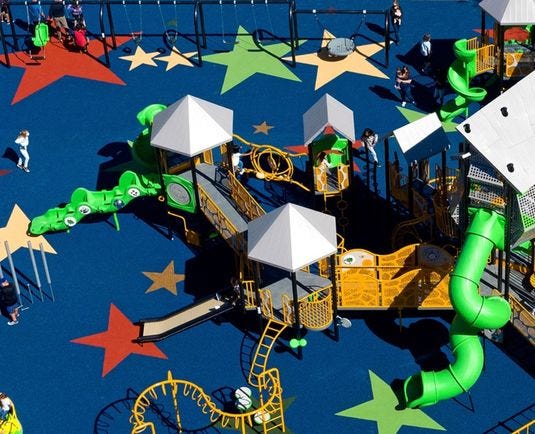
Candy Cane Park
Candy Cane Park Featuring Sensory Play Elements
Candy Cane Park wanted to create a park that made a statement. Read on to learn more about how a unique mushroom pathway, interactive Gizmos, and a custom frog climber became the heart of Conroe, Texas.
Videos
THE LATEST VIDEOS FROM OUR PLAYLIST
Community Park Transformed
YOU MAY ALSO LIKE
Homeridge Park - Santa Clara, CA
News from GameTime
Check out the latest parks and recreation news and announcements from GameTime.
While building a park in any capacity is valuable, research suggests that outdoor recreation spaces flourish when their design is founded in research, supplemental programming is offered, and stakeholders actively participate in the planning process.
National Demonstration Sites (NDS) are playgrounds that showcase leadership in best practice design, support health-related initiatives, and collect data that stakeholders can use to understand the sites’ impact on the community. Through five distinct categories, the NDS program facilitates the translation of research into practical implementation at local parks.
Read on to learn more about the NDS program and its five categories.
Play On!: Youth Physical Activity
Experience the excitement of Play On!® playgrounds, where innovative equipment turns fitness into fun!
Developed by our parent company, PlayCore, in collaboration with Shape America, the Play On! curriculum is designed to tackle sedentary lifestyles and promote youth fitness.
A great park is more than open space. It is a place where families gather, children play, communities connect, and people of all ages find ways to move.
With Parks and Recreation Month taking place in July, it is the perfect time to celebrate the spaces that help bring communities together. It is also a great reminder that the right park products can make a big difference.
From shade and gathering areas to inclusive play and outdoor fitness, here are a few products every park should consider.
Shelters
Shelters are one of the most useful additions to any park. Salora park and playground shelters combine modern design with durable, weather-resistant materials. After all the only thing that should be melting this summer is a popsicle, not park visitors.
Whether used for birthday parties, picnics, school outings, or special events, shelters help extend the time people spend at the park. They also create a natural meeting point that makes a park feel more welcoming and complete.
For communities
Outdoor fitness spaces are helping communities create healthier, more active environments for people of all ages. Whether you're planning a walking trail, a dedicated workout area, or a wellness hub within a larger park, one challenge often stands in the way: funding.
The good news? There are more funding opportunities available for outdoor recreation and wellness projects than ever before. With the right strategy, communities can secure the resources needed to bring their vision to life.
Start With a Clear Vision
Before searching for funding, define the purpose of your outdoor fitness space. Funding organizations want to understand how a project will benefit the people it serves.
Ask questions like:
- Who will use the space?
- How will it improve access to recreation in your community?
- Will it serve multiple generations?
These questions will help your park serve more members of your community and support funding efforts.

Explore Multiple Funding Sources
There's over $3 billion in funds