
Playgrounds for Housing and HOAs
GameTime works with housing authorities, apartment communities, and neighborhoods to create playgrounds for kids that increases curb appeal and attract new families. Our playground equipment combines maximum play value with competitive pricing, easy installation, and the industry’s best warranty.
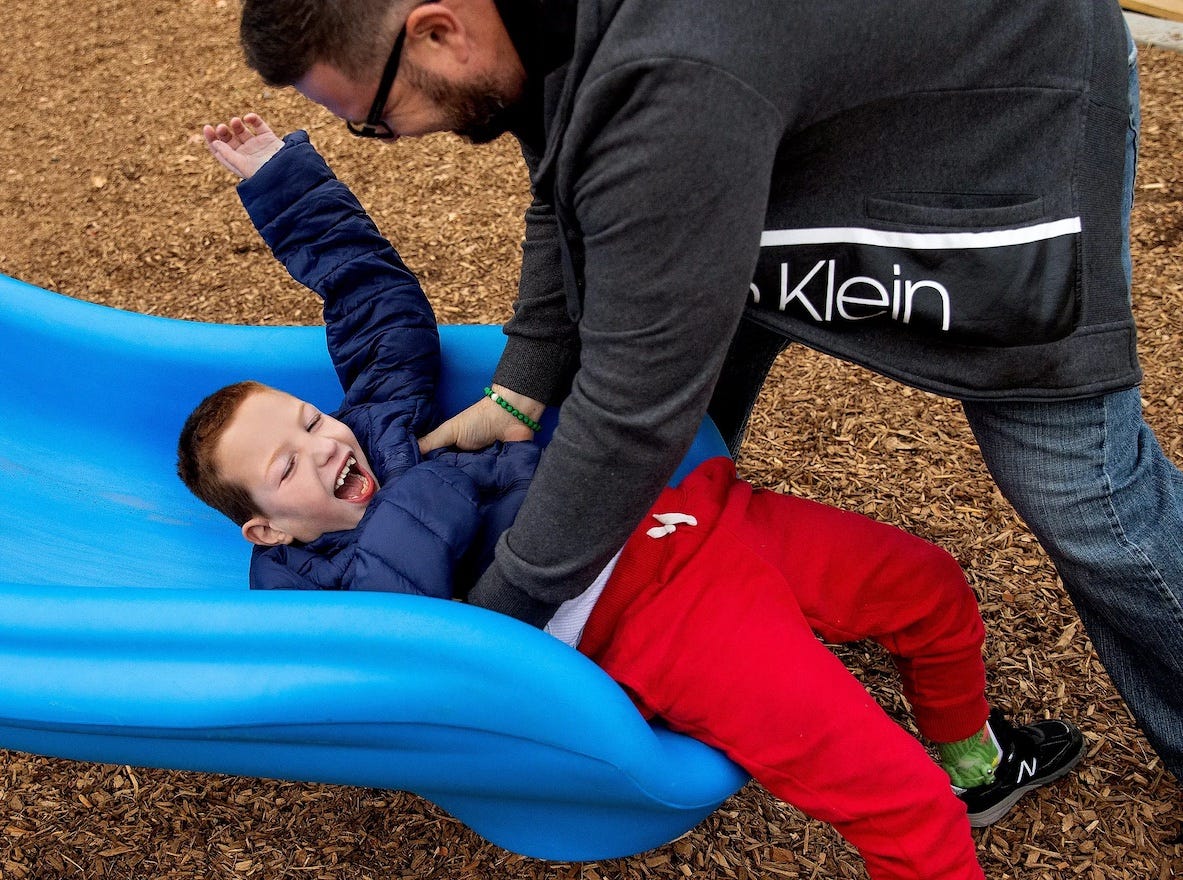
7 Principles of Inclusive Playground Design
Featured Play Systems for Housing Developments
-
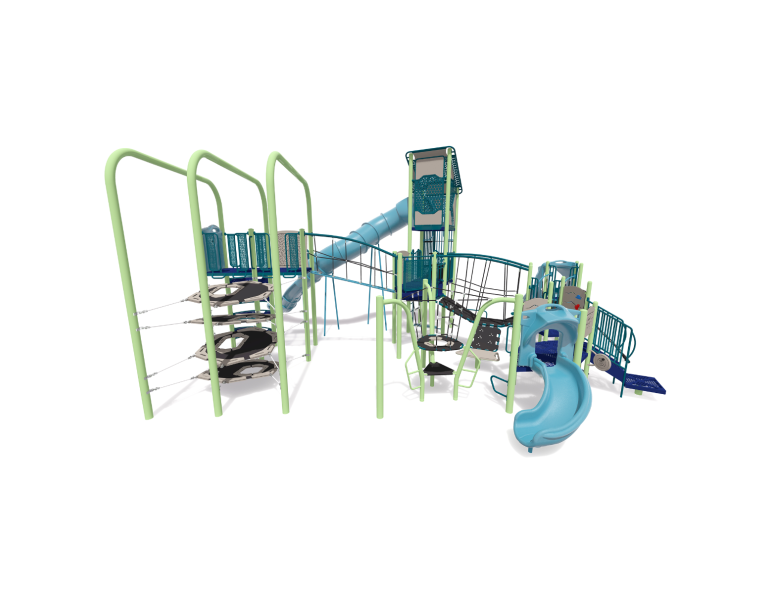 ModelPS25083Age5 to 12 YearsZone47'-10" x 55'-3" (14.58m x 16.84m)Fall Height12' (3.66 m)
 -
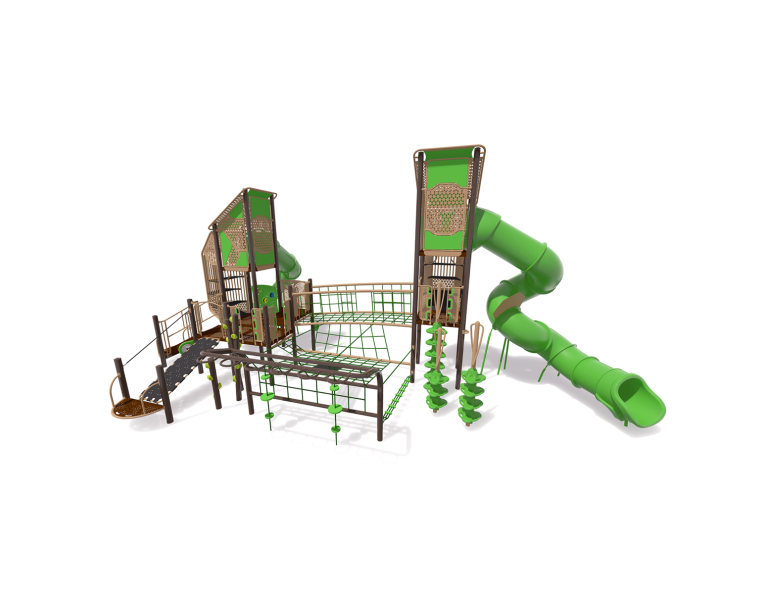 ModelPS25080Age5 to 12 YearsZone61'-5" x 41'-8" (18.72m x 12.7m)Fall Height12' (3.66 m)
 -
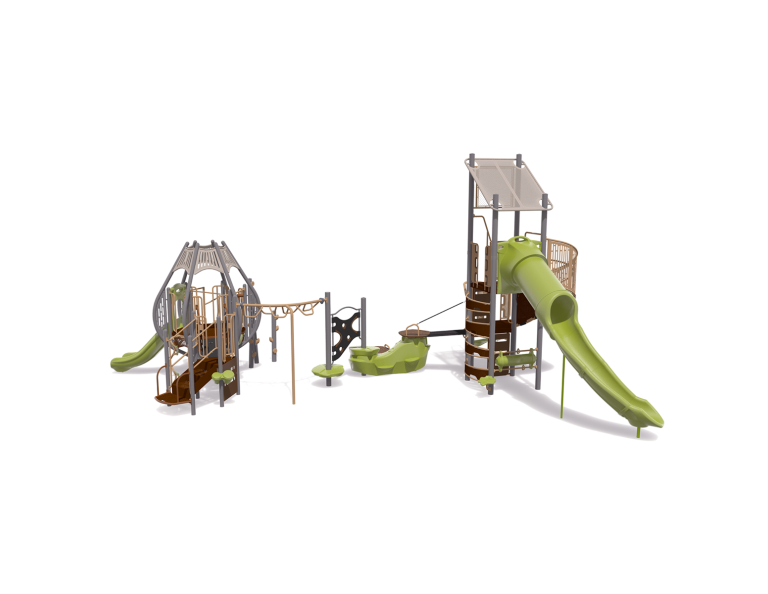 ModelPT25019Age5 to 12 YearsZone57'-3" x 34'-7" (17.45m x 10.54m)Fall Height8' (2.44 m)
 -
 ModelPS26034Age5 to 12 YearsZone49'-5" x 60'-9" (15.06m x 18.52m)Fall Height9' (2.74 m)
 -
 ModelPS26005Age5 to 12 YearsZone57'-9" x 70'-9" (17.6m x 21.56m)Fall Height10' (3.05 m)
 -
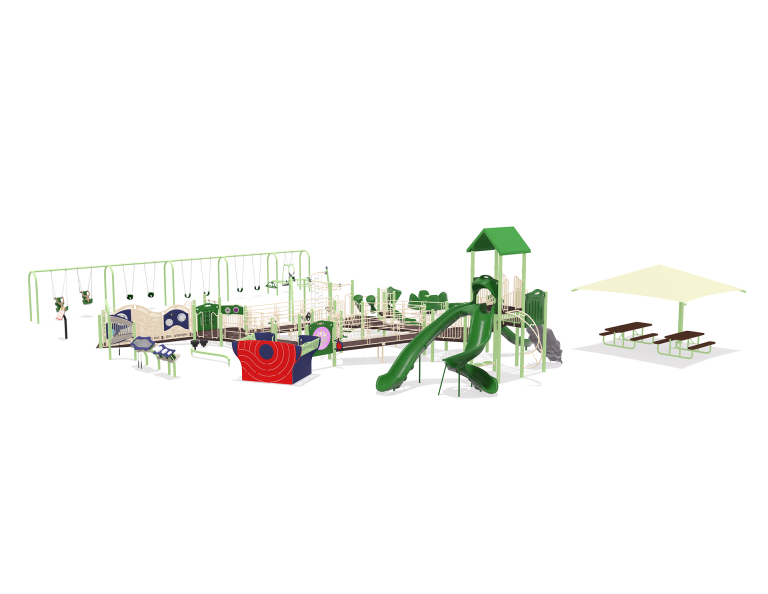 ModelCR20001Age5 to 12 YearsZone67'-9" x 100'-10" (20.65m x 30.73m)Fall Height8' (2.44 m)Number of Children170
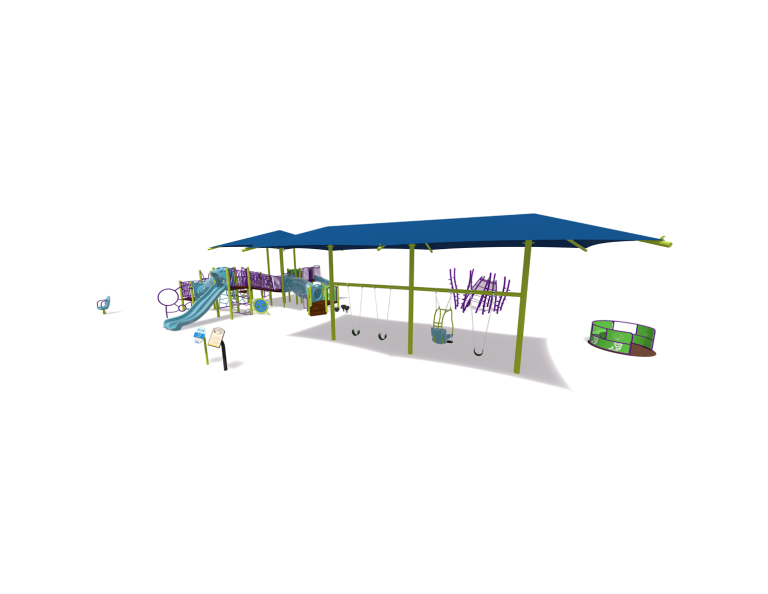
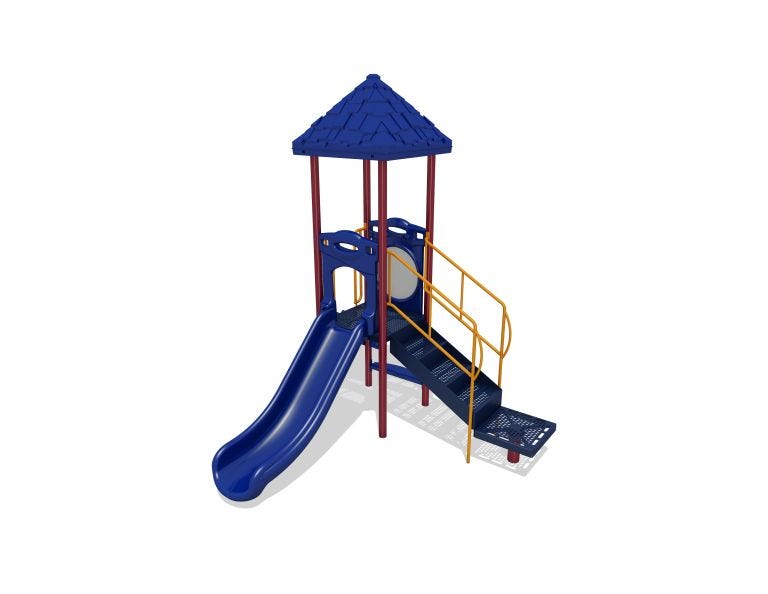


Expression Swing Universal
Create multigenerational play opportunities for adults and children of all abilities with an adaptive swing seat combined with our adult swing seat. The patented design provides the same face-to-face, eye-to-eye design that promotes attunement while at play.
Featured HOA Playground Projects
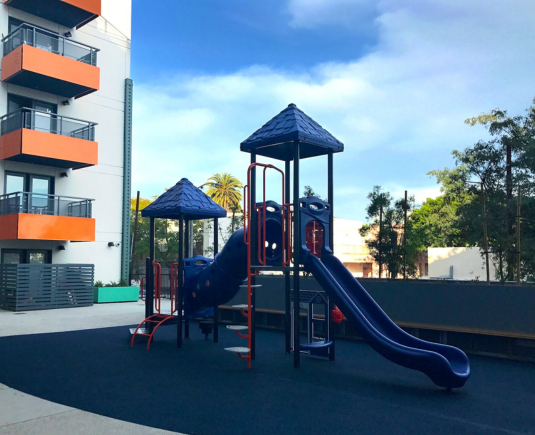

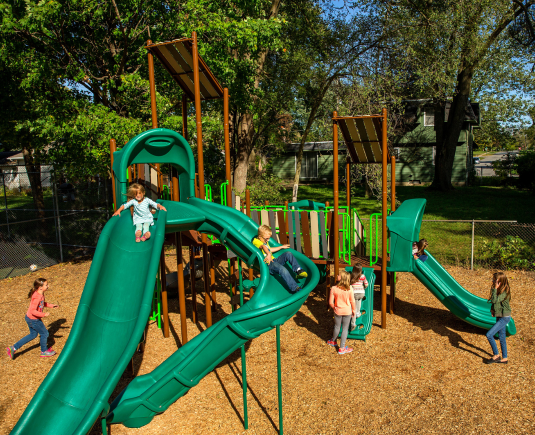
News from GameTime
Check out the latest news and announcements from GameTime.
Coca-Cola Consolidated, Charlotte Motor Speedway, NASCAR, Mecklenburg County Park and Recreation, Partners for Parks, and hundreds of volunteers unite to build a new playground honoring Charlotte's racing heritage.
CHARLOTTE, N.C. (July 30, 2026) — For decades, the sounds of engines echoed across Shuffletown Dragway as drivers lined up at the starting line in search of speed. This week, a different kind of race begins.
On Thursday, July 30, community volunteers will gather at Shuffletown Park to build a brand-new playground on the site of the former Shuffletown Dragway, transforming a place once known for horsepower into one designed for imagination, adventure, and play.
The community build is being coordinated by Cunningham Recreation and its community engagement division, Play 4 ALL, with GameTime playground equipment and installation made possible through a major gift from Coca-Cola Consolidated, in partnership with Mecklenburg County Park and Recreation, Charlotte Motor
A great park is more than open space. It is a place where families gather, children play, communities connect, and people of all ages find ways to move.
With Parks and Recreation Month taking place in July, it is the perfect time to celebrate the spaces that help bring communities together. It is also a great reminder that the right park products can make a big difference.
From shade and gathering areas to inclusive play and outdoor fitness, here are a few products every park should consider.
Shelters
Shelters are one of the most useful additions to any park. Salora park and playground shelters combine modern design with durable, weather-resistant materials. After all the only thing that should be melting this summer is a popsicle, not park visitors.
Whether used for birthday parties, picnics, school outings, or special events, shelters help extend the time people spend at the park. They also create a natural meeting point that makes a park feel more welcoming and complete.
For communities
Outdoor fitness spaces are helping communities create healthier, more active environments for people of all ages. Whether you're planning a walking trail, a dedicated workout area, or a wellness hub within a larger park, one challenge often stands in the way: funding.
The good news? There are more funding opportunities available for outdoor recreation and wellness projects than ever before. With the right strategy, communities can secure the resources needed to bring their vision to life.
Start With a Clear Vision
Before searching for funding, define the purpose of your outdoor fitness space. Funding organizations want to understand how a project will benefit the people it serves.
Ask questions like:
- Who will use the space?
- How will it improve access to recreation in your community?
- Will it serve multiple generations?
These questions will help your park serve more members of your community and support funding efforts.

Explore Multiple Funding Sources
There's over $3 billion in funds